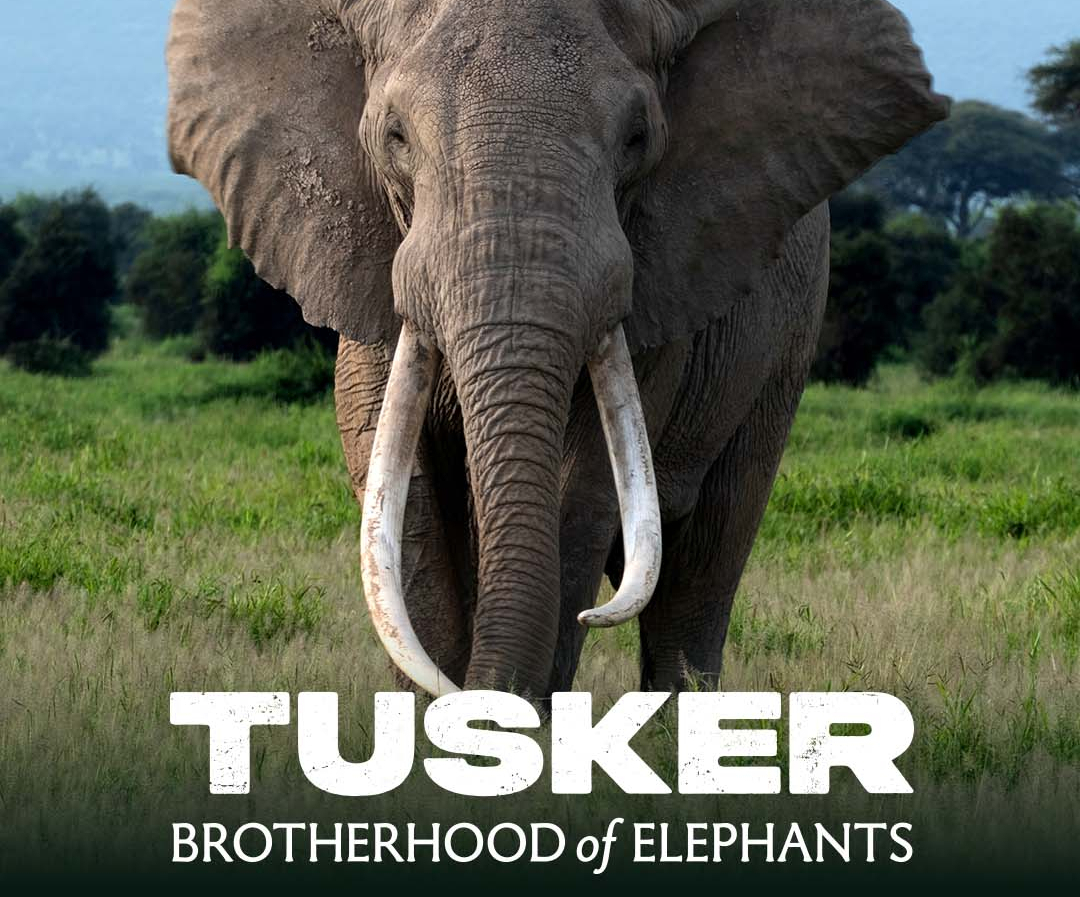
Watch PBS Nature’s newest episode and learn more about Amboseli’s tuskers.
Watch PBS Nature’s newest episode and learn more about Amboseli’s tuskers.
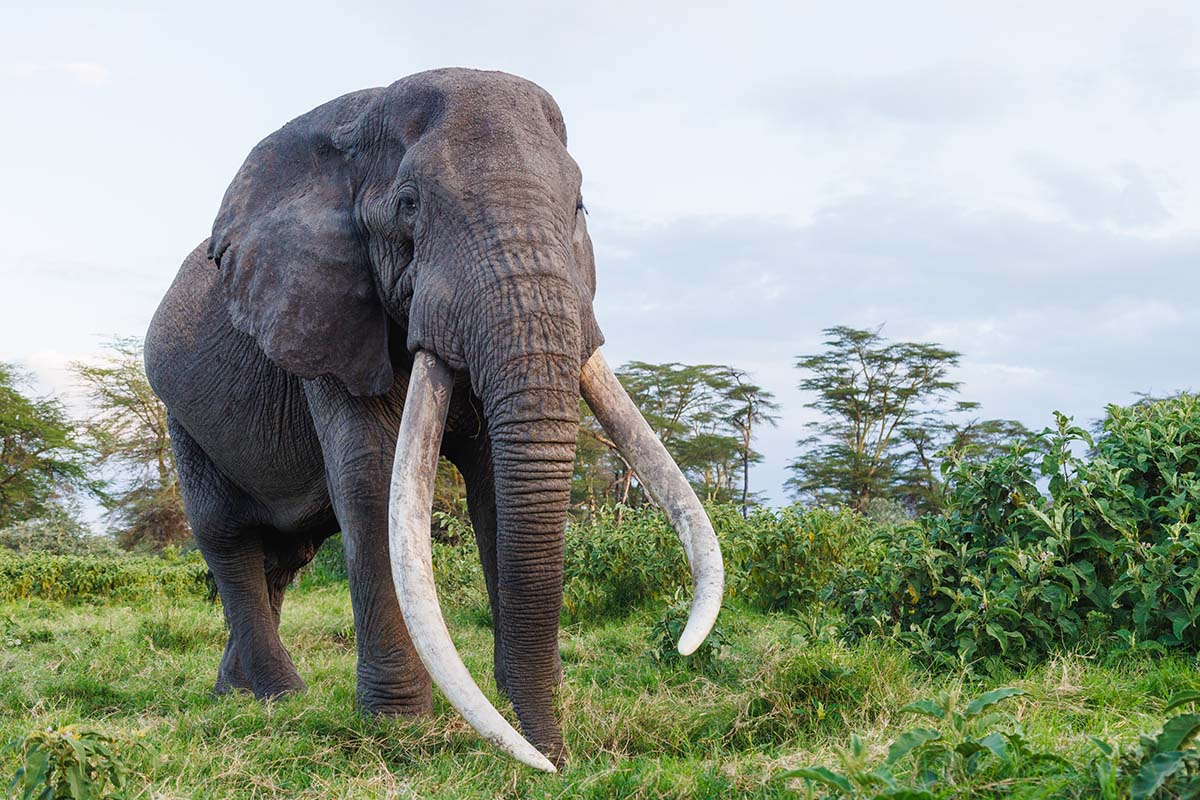
It’s been 10 days since the death of Craig, Amboseli’s most famous super tusker.
His death was mourned globally, and the social media outpouring of support and consolation has been amazing to see. Reading these personal accounts, it’s obvious that Craig had an extraordinary impact on a huge number of people, regardless of whether they ever saw him in person. People felt a connection with him, beyond simple awe of his magnificent tusks.
Thank you to everyone who tagged us and recognized the role that we played in Craig’s long life. When so many elephants are lost to poachers or human-wildlife conflict, his natural death represents a conservation success.
Decades of ivory poaching and trophy hunting in Africa have selectively removed elephants with the biggest tusks, leaving only a handful. Fewer than 30 survive in East Africa, and 10 call our area of operation home. Craig survived into old age because this ecosystem, and the people protecting it, held the line.
Craig was truly an ambassador for his species.
No one who spent time with him could doubt the sentience of elephants. For many, he bridged the imaginary divide between humans and nature, helping people to realize that there is more to the world than what we might perceive and understand.
He was well-known among local Maasai communities and lived peacefully alongside people, rarely crop-raiding. There will always be conflict where humans and elephants share space, but Craig showed that each elephant is unique and not all are destructive.
Craig was a rare animal, even in a well-protected ecosystem like Amboseli. But his offspring are out there, growing into the tuskers of tomorrow. We’ll do everything we can to ensure they survive to inspire generations far into the future.
📸: Jeremy Goss
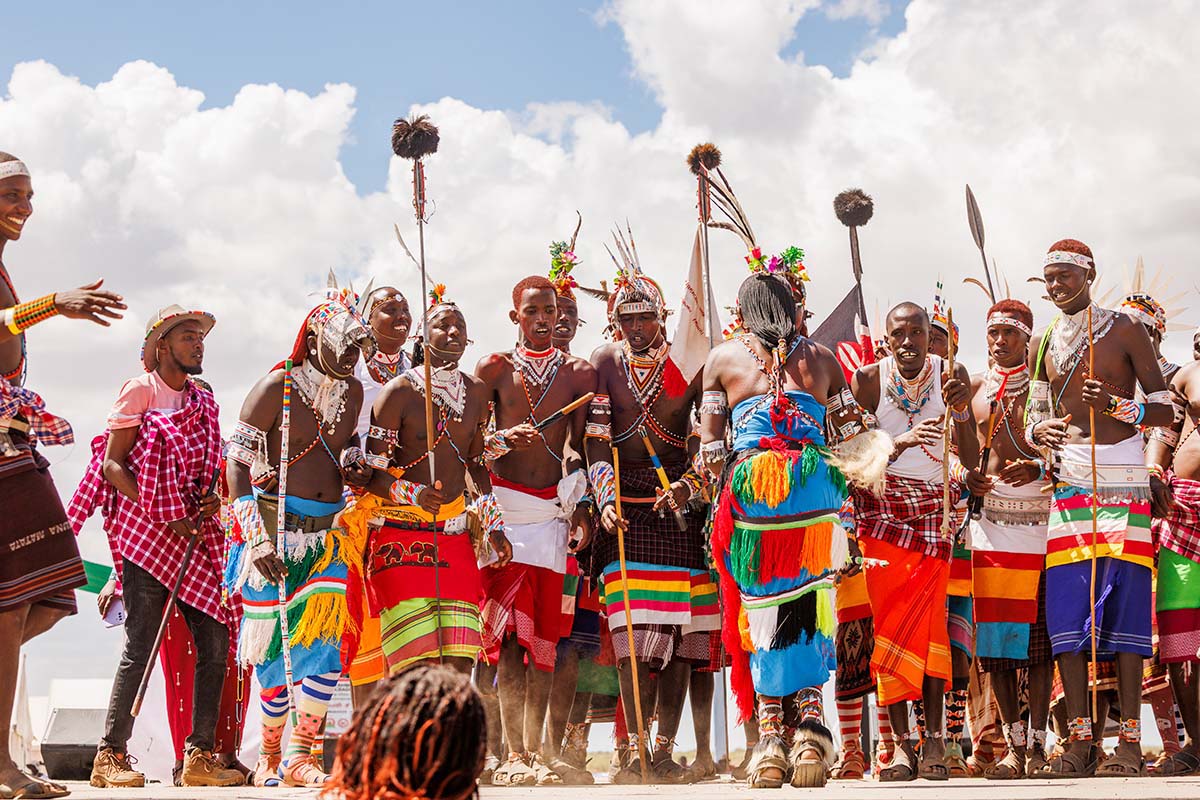
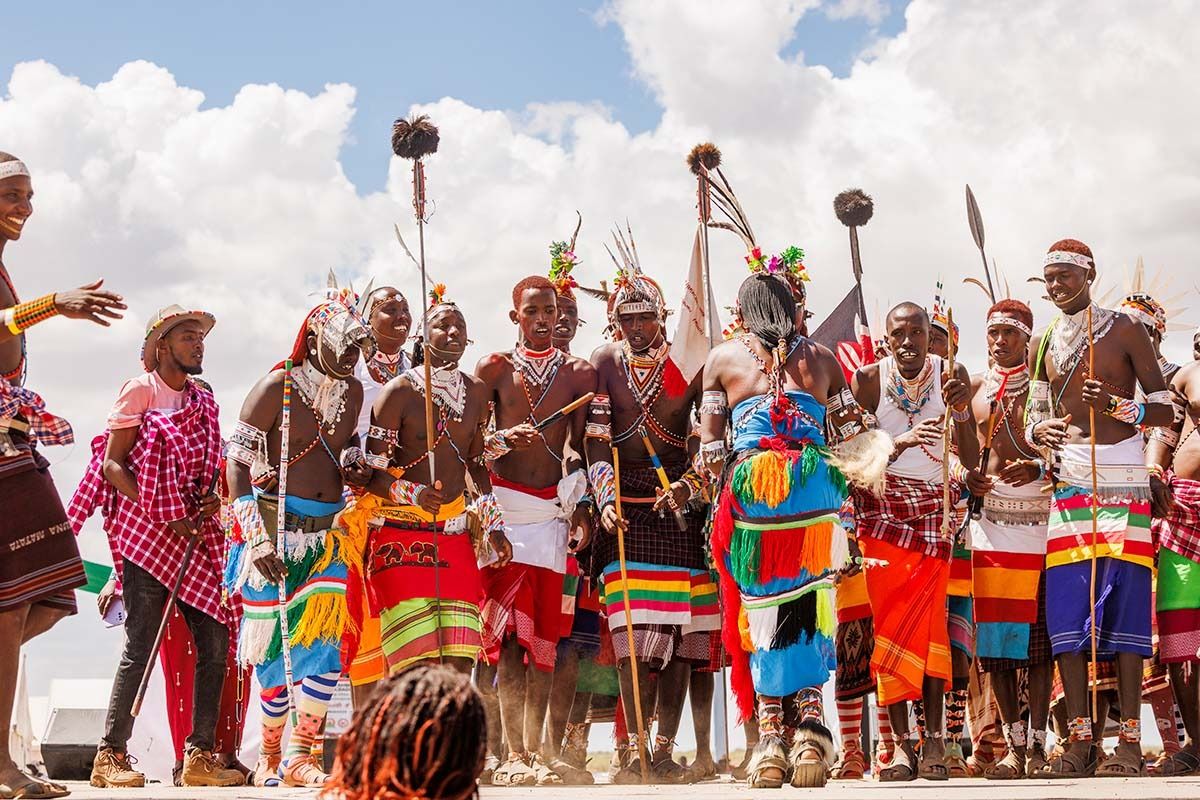
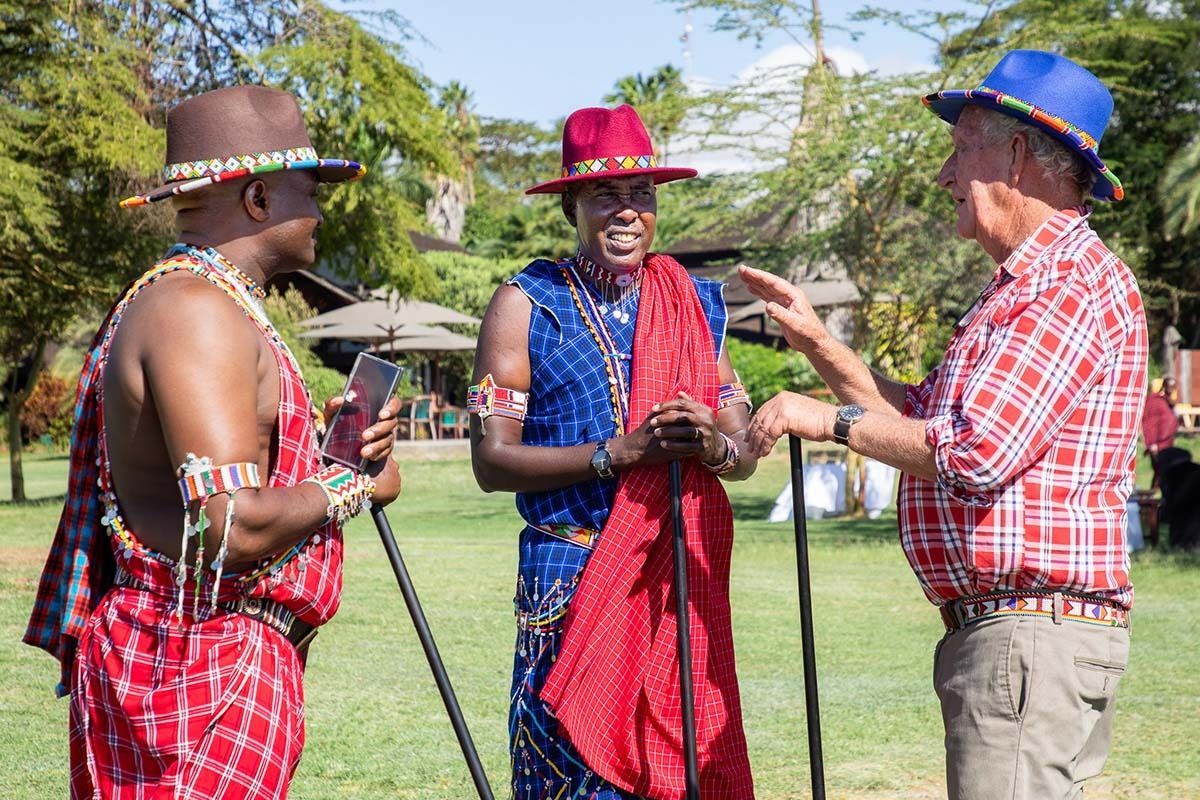
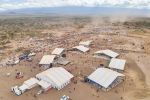
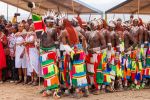
A couple of months ago, Amboseli hosted the Maa Cultural Festival.
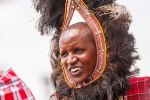
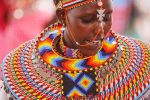
For five days in November, Amboseli’s dusty plains hosted tens of thousands of Maa-speaking people from across Kenya and Tanzania. The combination of music, dancing, roasted meat, prize livestock, and whirling shukas (traditional blankets) created a dizzying spectacle.
Big Life rangers provided security support and we had a stall in the exhibitors tent, where a film about our conservation work was watched by His Excellency President Ruto.
The event also marked a milestone in the transition to increased local authority over Amboseli National Park, with the official declaration of the handover of park management from the National to the Kajiado County government.
Amboseli will remain a National Park, but the County Government will take primary responsibility for park management and utilization of the revenue from it, while the Kenya Wildlife Service will retain certain roles.
This transition, implemented over multiple years, will see most of the benefit from Amboseli’s natural wealth retained locally; the intention is that it be shared with the communities whose land is so critical for the survival of this ecosystem.
In return for this huge economic boost, the Kajiado County Government has committed to a target of securing 1 million acres of community land for conservation outside Amboseli National Park. With Big Life conservation leases already protecting ~120,000 acres of community land (and counting), we’re supporting the achievement of that ambitious goal.
The majority of Kenya’s arable land has long gone under the plough; its original wild inhabitants gone with it. Most of the wildlife that remains is thanks to pastoral communities like the Maasai, who have continued to protect natural rangelands for livestock grazing. It is these people who hold the future of much of Kenya’s wild land and wildlife in their hands.
These are the communities who are our primary conservation partners and driving force behind all of our programs, so we were delighted to be part of an event that celebrated their unique culture, and the beautiful places that they inhabit.
Photos: 1, 4-7: Robert Sayialel
Photo 2: Joshua Clay
Photo 3: Agostino Mutinda
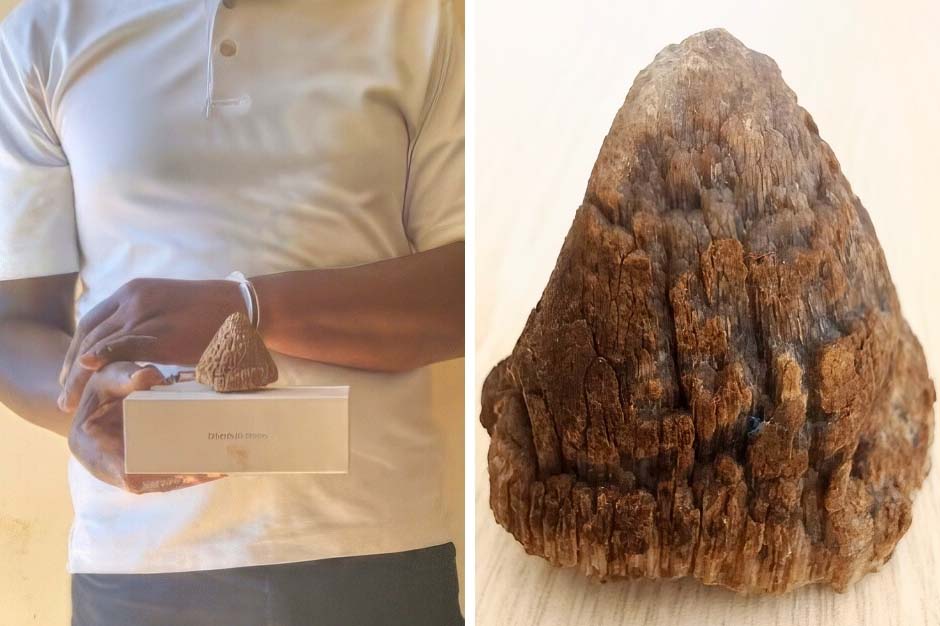
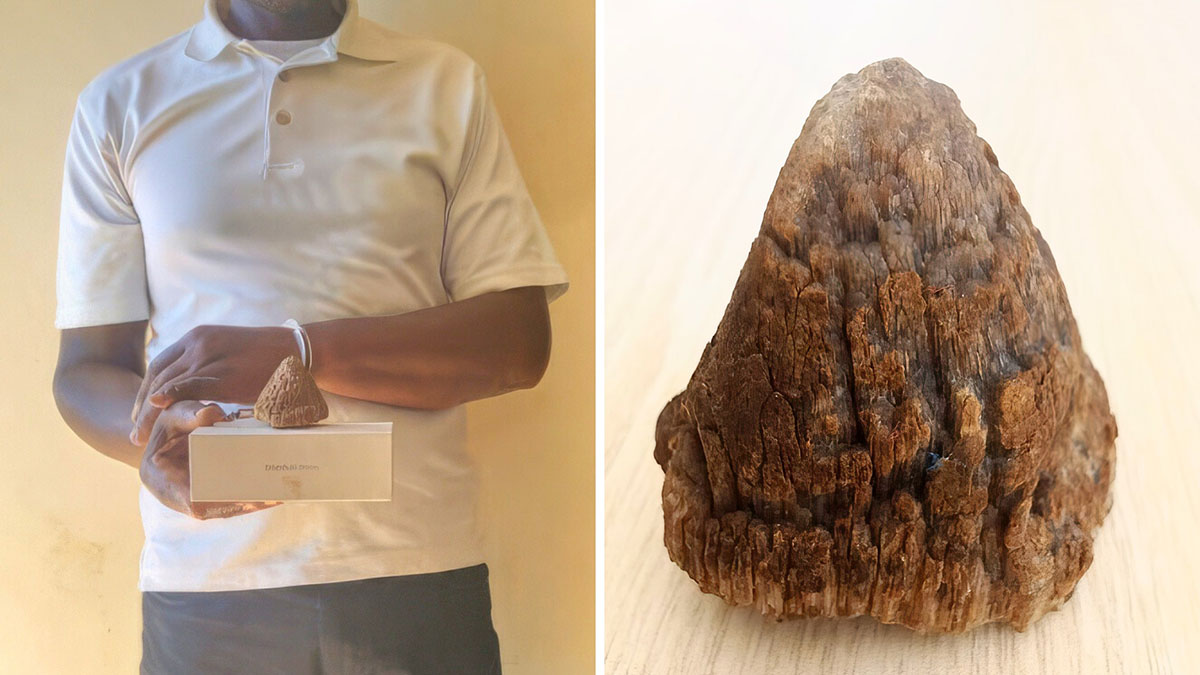
This is a story more than a year in the making.
It started with a man from Maua Town in Meru County in possession of an extremely rare item and ended a few weeks ago in the Kajiado Town jail.
How he found it is a mystery, but the tiny, palm-sized keratin pyramid came from a rhino.
The man thought he could make considerable cash from selling this rhino horn, but he needed a buyer. He started asking around in Malili, a town along the Mombasa Road, where he thought he’d fly under the radar. Instead, our informer network was tipped off.
He needed to be caught trying to sell the rhino horn to be arrested, but there were no takers in Malili. The trail went cold for several months but picked up again in Kajiado Town, a far bigger and busier location.
Our intelligence team posed as a buyer. After weeks of back and forth, he finally agreed to meet at a petrol station, where the Kenya Wildlife Service took over.
Following more than a year of cat and mouse, he was finally arrested.
This is a success story not only for our intelligence network, but for Kenya’s efforts as a whole, stamping out illegal wildlife crime.
While southern Africa is dealing with a surge in rhino poaching, Kenya is not. This is largely thanks to a combination of political will, sustained conservation efforts, and a hefty punishment for anyone caught poaching or dealing in items like ivory or rhino horn.
This tiny piece of horn bore no cut marks, likely an old piece that had broken off naturally. Opportunism and possibly desperation turned this man into a trafficker. Even though he didn’t kill the rhino, he still faces life in prison for attempting to sell the horn.
It sends a strong message to anyone, opportunistic or otherwise, that such activity will not be tolerated.
Your support of our operations funds sting operations like this one. Thank you for helping us keep rhinos and all East African wildlife safe.
Page 7 of 116