





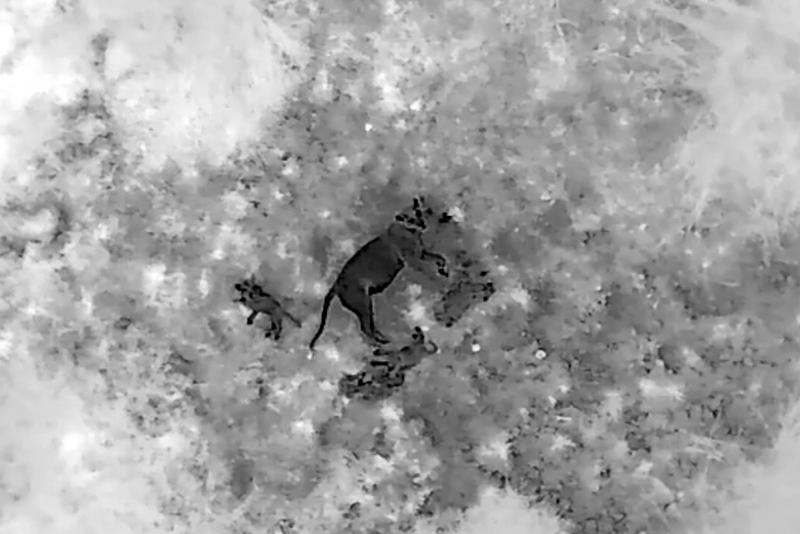
Last week, we shared a wonderfully improbable story of a tiny lost lion cub we helped reunite with its mother after becoming separated.
Last week, we shared a wonderfully improbable story of a tiny lost lion cub we helped reunite with its mother after becoming separated.
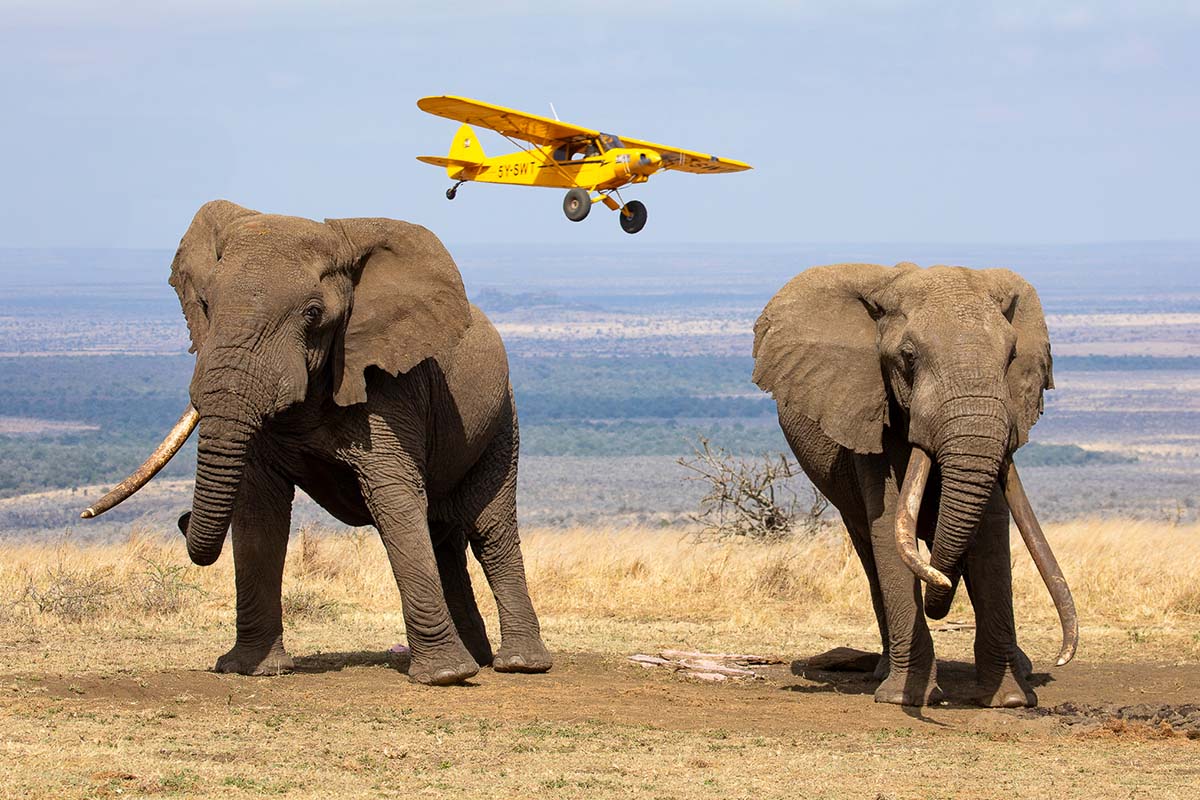
Thanks to the generosity of one incredible donor, Big Life’s Super Cub has a new engine — and it’s already back in the skies over the Greater Amboseli ecosystem.
For pilot Craig Millar, Big Life’s Chief Operating Officer, this upgrade means everything. “The Cub is one of the most important tools in Big Life’s toolbox,” he says. “Personally, I could literally not do my job without it. When things are busy, it does more work than any other vehicle in Big Life — eyes in the sky, rapid response, command and control, medevac, monitoring, search operations… You can do all that without the Cub, but it costs twice as much and takes ten times as long.”
The new Lycoming O-360 engine (180 horsepower) replaces one that had quietly served for more than a decade — logging hundreds of flight hours across roughly 160,000 miles of patrols. The difference was immediate: “It feels like the Cub did 10 years ago,” Craig says. “You forget how much power you’ve lost over time until you feel it come back.”
From tracking elephant herds to spotting illegal activity, this little plane gives our rangers the big-picture view that keeps wildlife — and people — safe.
A heartfelt thank you to the donor who made this possible. Your support keeps Big Life’s mission quite literally flying high.
📸: Joshua Clay
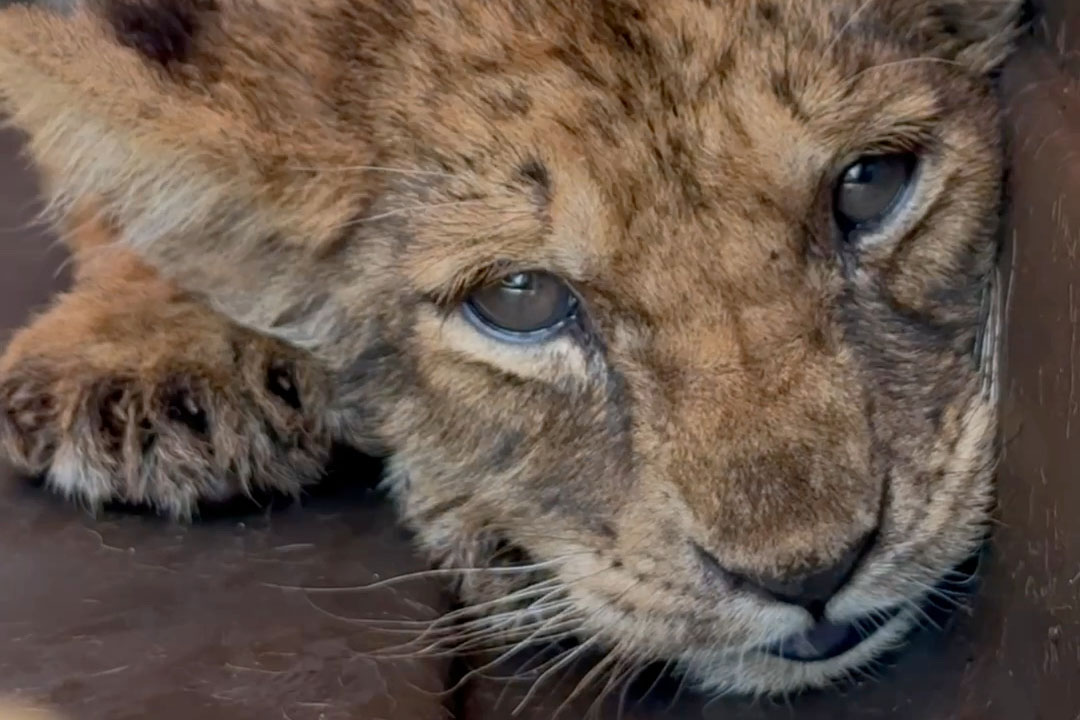
SPOILER ALERT: This story has an unbelievably happy ending. It’s a fairytale in every sense — one of persistence and teamwork, complete with a cast of heroes (and a few villains).
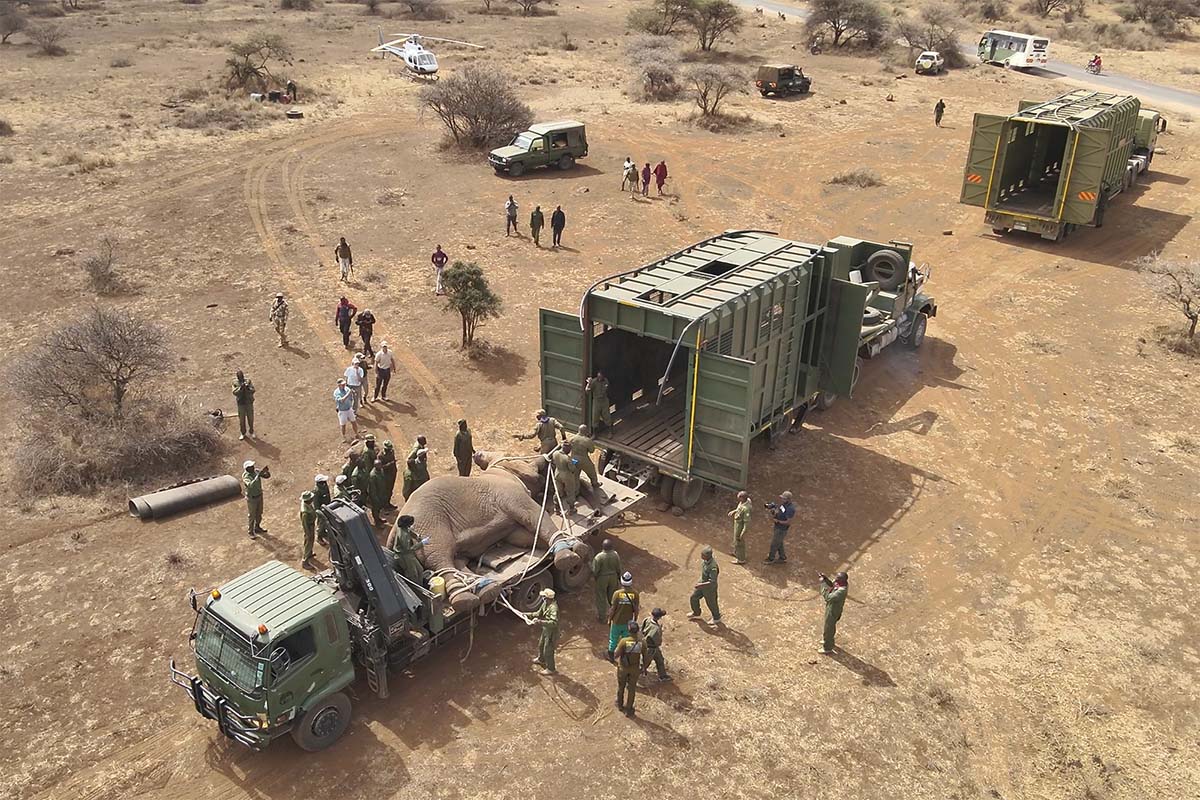
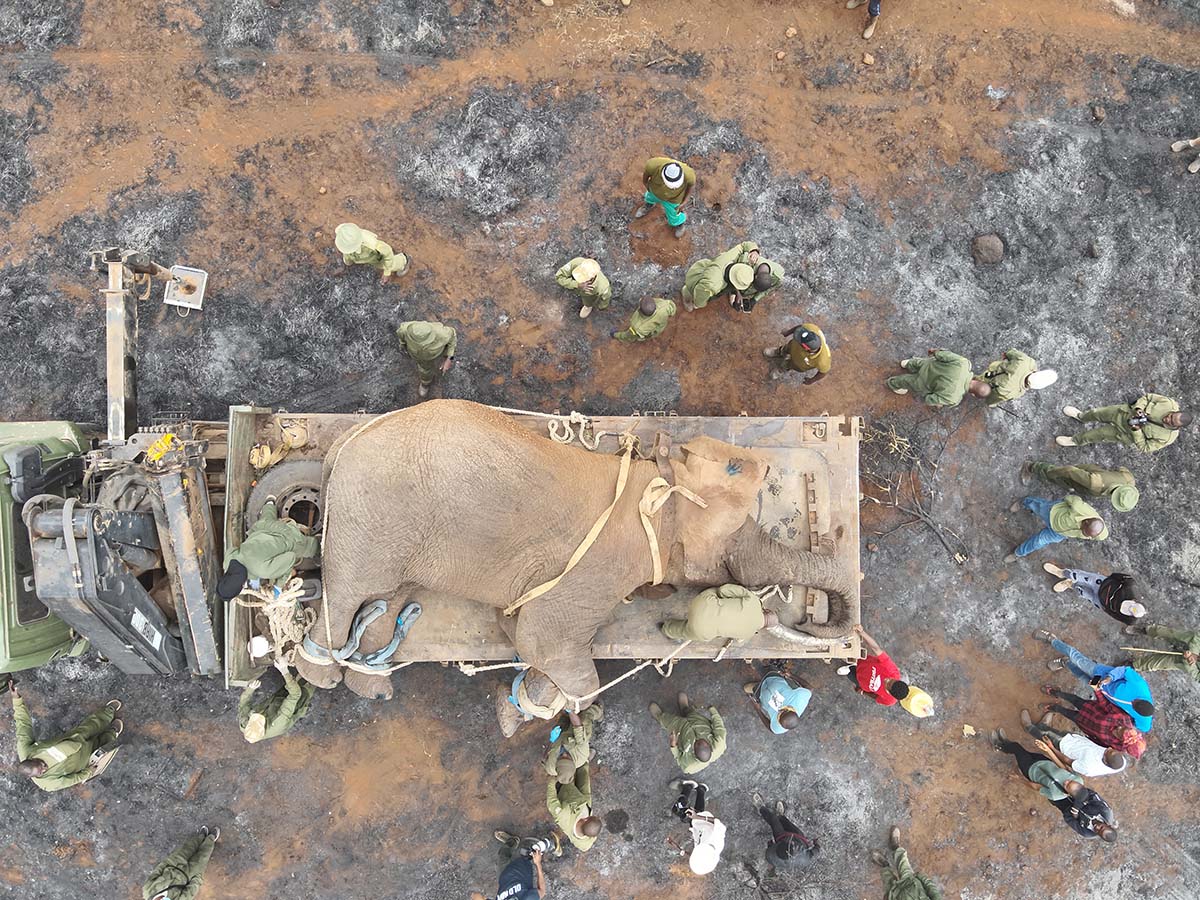 Sending two 12,000-pound elephants on a road trip is a huge job, particularly when they haven’t volunteered for the journey.
But in this case, we had tried everything else when it came to an elephant you might have heard us mention before: Fence-breaker 6 (FB6). His name is unremarkable, but he is anything but.
Big Life’s rangers have been keeping FB6 out of trouble for years. In 2018, we built 100km of electric fencing to prevent elephants from raiding farms. It’s been a great success, and conflict in that area dropped by 90%. But FB6 and some other males have learned ways to break through.
Due to his chronic fence-breaking and crop-raiding behavior, FB6 was fitted with a tracking collar several years ago, and then again this summer when it needed to be replaced. This allowed rangers to intercept him. Night after night, he would be turned away only to sneak in elsewhere. Despite our best efforts, FB6 was proving to be unstoppable.
With community tempers rising, the Kenya Wildlife Service decided to stage a more dramatic intervention and translocate FB6 and one of his unnamed associates. In an extremely professional operation, the two elephants were darted by a KWS vet from a Sheldrick Wildlife Trust helicopter. They were first loaded onto a smaller flat-bed truck, which delivered them to a much bigger truck and trailer near the main road. They were then transported to Tsavo East National Park, far from Amboseli’s farms where they will hopefully stay out of trouble. Time will only tell if that’s to be the case.
Translocation is an extreme step in keeping the peace between animals and people, but occasionally a necessary one, and thankfully rare. Individuals like FB6 can do immense damage to human tolerance for his entire species. Translocation is a last resort, but we are continually working to come up with effective long-term methods to mitigate conflict. From fencing to deterrence to physically chasing elephants out of farms, keeping the peace is all hands-on deck.
We wish FB6 well and hope that he settles quickly into his new home in Tsavo!
Thanks to our partners for the successful operation.
📸: Augustino
Page 9 of 114