Five years ago, Big Life took over management of Kimana Sanctuary at the behest of the local community. The area acts as a critical connection between Amboseli National Park and Tsavo further east, especially for migrating elephants. It is a true wildlife sanctuary and under the watchful eye of our rangers, more wildlife species are returning to the area, like leopard, but also excitingly: lions.
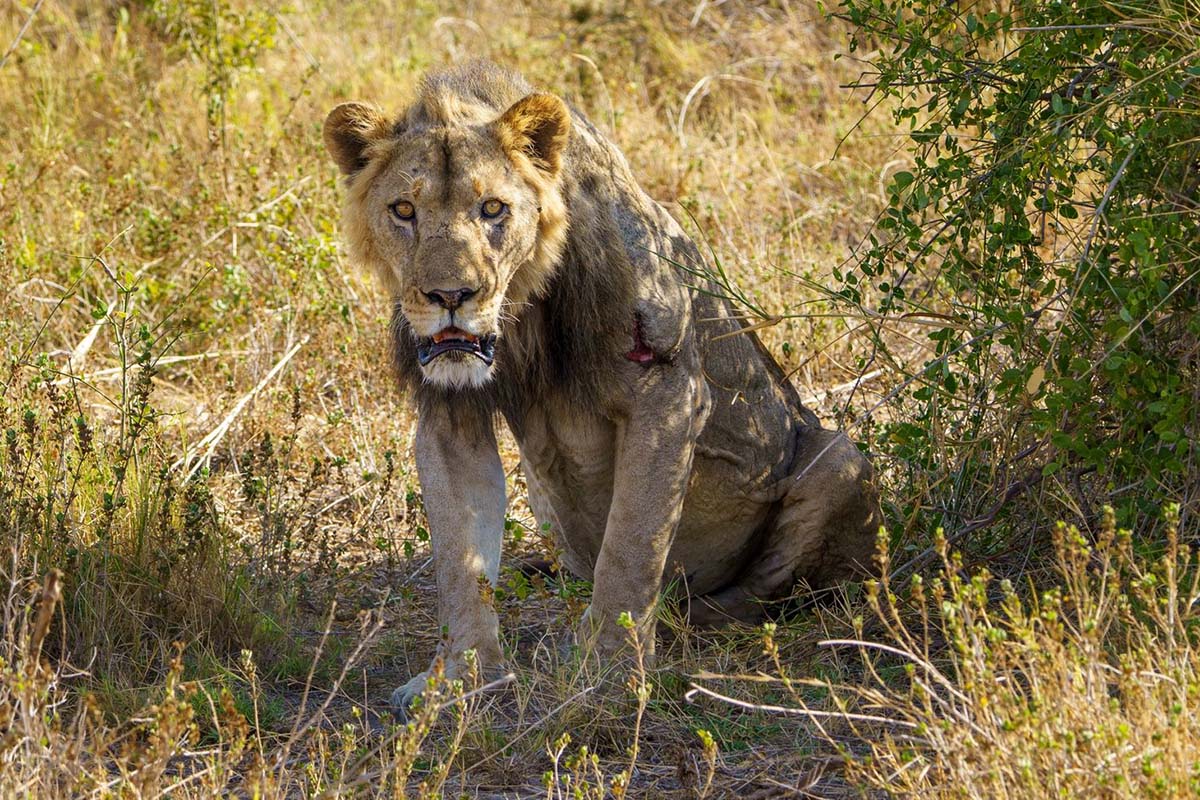
So when a lion was spotted in Kimana Sanctuary with a nasty looking wound, Big Life’s rangers leapt into action. It didn’t take long for the KWS vet from Amboseli and our partners at Lion Guardians to join us to assess the situation. Luckily, the wound on his left foreleg was relatively shallow and easy to treat. Lion Guardians also identified the lion as Osunash, one of Loonkito’s offspring. While he was sedated for treatment, they were able to replace his monitoring collar, which had gone dead.
The other good news: the wound was most likely something Osunash received naturally while on the hunt, from the horn of something that was not interested in becoming dinner. He will live another day to try again, and rangers will keep a close eye on him in the meantime.
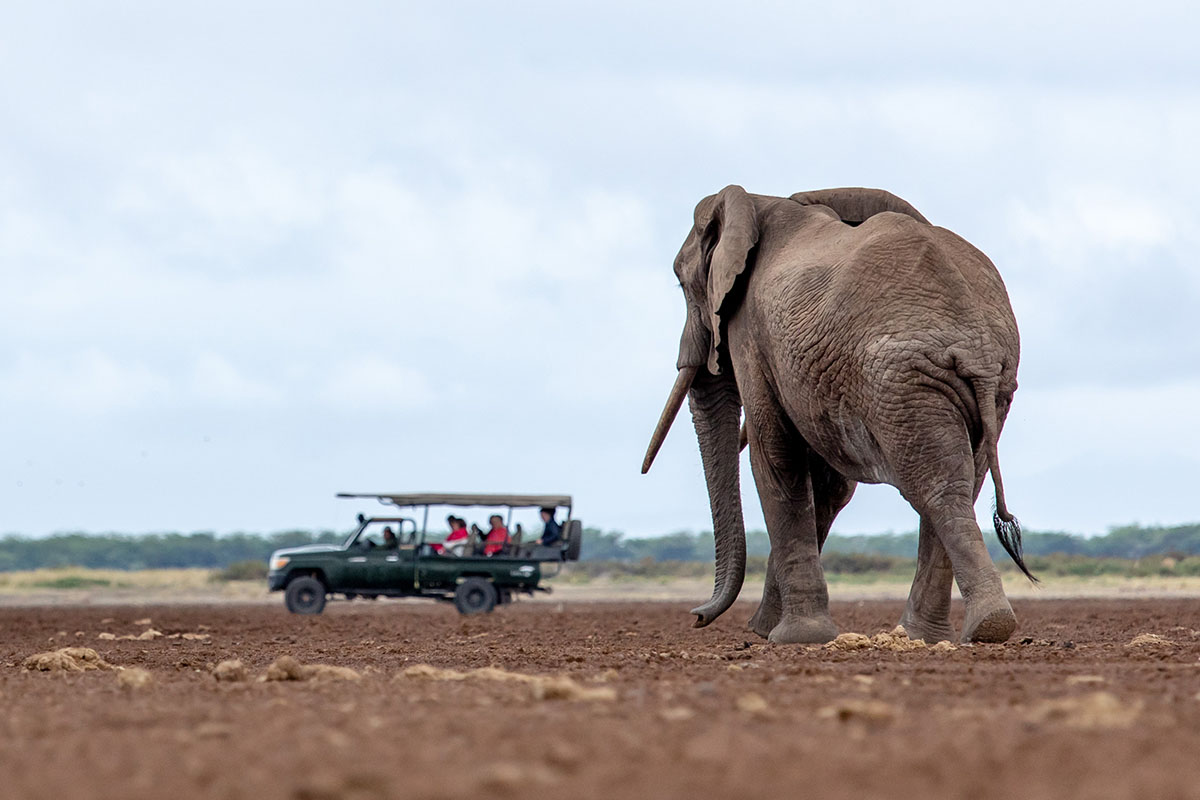 Done right, tourism can be the beating heart of a local wildlife economy. It creates jobs and generates revenue for local communities who keep their land natural and open for wildlife.

 Ranger training is a critical piece of Big Life’s conservation success. To achieve and maintain our wildlife protection goals, Big Life’s rangers (and rangers across the African continent) must be regularly trained to ensure they have the most up-to-date education and skills in wildlife protection, wildlife crime prosecution, first-aid, and bush tracking skills.
 We are grateful to our partners at Part Time Rangers for directly supporting a recent ranger training course, which resulted in 31 rangers getting critical training.