Big Life Foundation

DONATE

Big Life Foundation

GET UPDATES DONATE

Big Life Foundation

GET UPDATES DONATE

  • WHAT WE DO menu down arrow
      • Back
      • PROGRAMS
      • rangers
        WILDLIFE
          PROTECTION
      • PROGRAMS
      • WILDLIFE PROTECTION
      • ANTI-POACHING
      • WILDLIFE CRIME /
            ANTI-TRAFFICKING
      • RHINO PROTECTION
      • TRACKER DOG UNIT
      • Back
      • Lions
        HUMAN-WILDLIFE
          CONFLICT
      • HUMAN-WILDLIFE CONFLICT
      • PREDATOR COMPENSATION
      • MAASAI OLYMPICS
      • HUMAN-ELEPHANT
            CONFLICT MITIGATION
      • Back
      • habitat
        HABITAT
          PROTECTION
      • HABITAT PROTECTION
      • Securing Wildlife Habitat
      • Rangelands Management
      • REDD+ Carbon Project
      • Back
      • Student
        COMMUNITY
         
      • COMMUNITY
      • Education
      • Healthcare
  • HOW WE DO IT menu down arrow
      • Back
      • THE RANGERS
        rangers
      • The Rangers
      • Back
      • PARTNERS
        elephants
        FINANCIALS
        zebras herders
      • Partners
      • Financials
  • WHERE WE WORK menu down arrow
      • Back
      • INTERACTIVE MAP
      • INTERACTIVE MAP
        Area of Operation
  • WHO WE ARE menu down arrow
      • Back
      • Big Life Kenya Big Life Kenya
      • Big Life USA Big Life USA
      • Big Life Canada Big Life Canada
      • Big Life UK Big Life UK
      • Back
      • About Big Life
      • Mission & Vision
      • Strategic Plan
      • Awards & Recognition
      • Back
      • History
      • Co-Founders
      • Ambassadors
      • Contact Us
  • PROGRAM UPDATES menu down arrow
      • Back
      • BIG LIFE NEWS
        rangers elephants
      • Big Life News
      • Photos From The Field
      • Short Films Gallery
      • In the Media
      • Operational Reports
      • 2025 Impact Report
      • Radio Room
      • Back
      • 2025 IMPACT REPORT
        Operational Reports
      • Back
      •  PHOTOS FROM THE FIELD
         SHORT FILMS GALLERY
        IN THE MEDIA
        OPERATIONAL REPORTS
        RADIO ROOM
  • SHOP menu down arrow
      • Back
      • BLF Shop
        BIG LIFE
        MERCHANDISE
      • Big Life Merchandise
  • GIVING menu down arrow
      • Back
      • Giving Essentials
        Manage Your Monthly Gift
        Give Monthly
        Start a Fundraiser
        Gift Catalog
      • GIVING menu down arrow Essentials
      • Manage Your Monthly Gift
      • Give Monthly
      • Gift Catalog
      • Start a Fundraiser
      • IRA Charitable Rollover
      • Stock Gifts
      • Leave a Gift In Your Will
      • Other Ways to Give
      • Back
      • IRA Charitable Rollover
        Stock Gifts
        Leave a Gift in Your Will
        OTHER WAYS TO GIVE
  • BIG LIFE MERCHANDISE
  • GET UPDATES
  • DONATE

THE WILD ORIGINS OF A HUMAN CRISIS

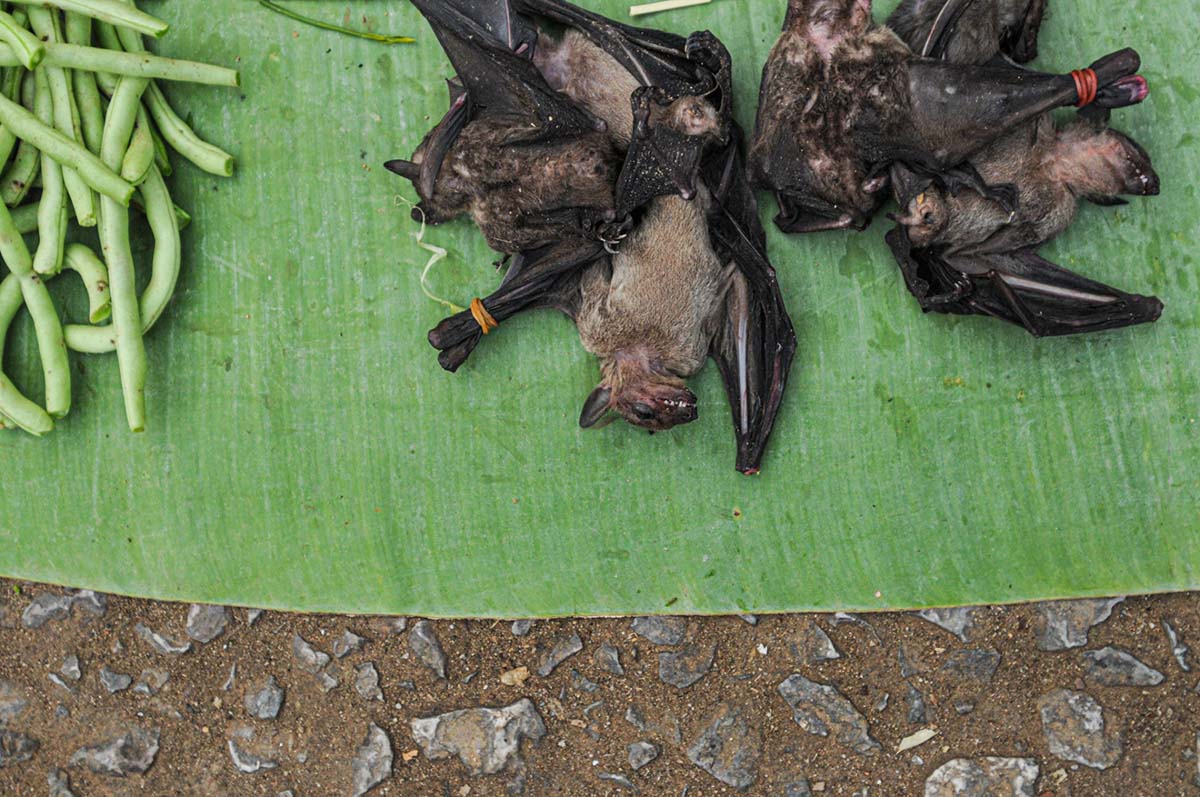
Bats and produce. Laos, 2008.

By outside appearances, it was just a standard market. But inside could be found caged animals that don’t appear on regular menus: snakes, porcupines, hedgehogs, and a wide range of other wild species. The theory is that that somewhere in that Chinese live-animal market, a microscopic virus made a gigantic leap.

‘Coronavirus’ is not actually the name of this virus. Coronaviruses (named for the crown-like spikes on their surfaces) are a large family of viruses that can cause respiratory illnesses ranging from the common cold to pneumonia.

Coronaviruses were responsible for the global outbreaks of Severe Acute Respiratory Syndrome (SARS) in 2002 and Middle East Respiratory Syndrome (MERS) in 2012. In fact, this new virus is so similar to the one that caused SARS, that it has been named SARS-CoV-2. The SARS-CoV-2 virus causes a disease called Coronavirus Disease 2019 (COVID-19).

The reason that we see new coronaviruses appearing in human populations is because they are zoonotic, meaning that the virus can pass between animals and humans. Other well-known zoonoses with devastating effects on humans include Ebola Virus Disease (Ebola) and Human Immunodeficiency Virus (HIV). In most cases, these viruses do not kill their animal hosts, who are merely vectors for the diseases, but they can sometimes kill their human hosts. Both SARS and MERS originated in bats, but used ‘bridge animals’ (palm civets and camels, respectively) to make the jump to humans.

It is currently thought that the virus causing COVID-19 also originated in bats, but may have used another wild animal species in making the jump to humans. Pangolins are a potential suspect, but there is no conclusive proof of that as of yet.

We may never know exactly what animal transmitted the virus to humans, but it is almost certainly a wild species, not a domesticated one. Unhygienic conditions and poor treatment of a diverse range of live animals in most ‘wet markets’ creates exactly the right environment for the spread of zoonotic diseases caused by the coronaviruses.
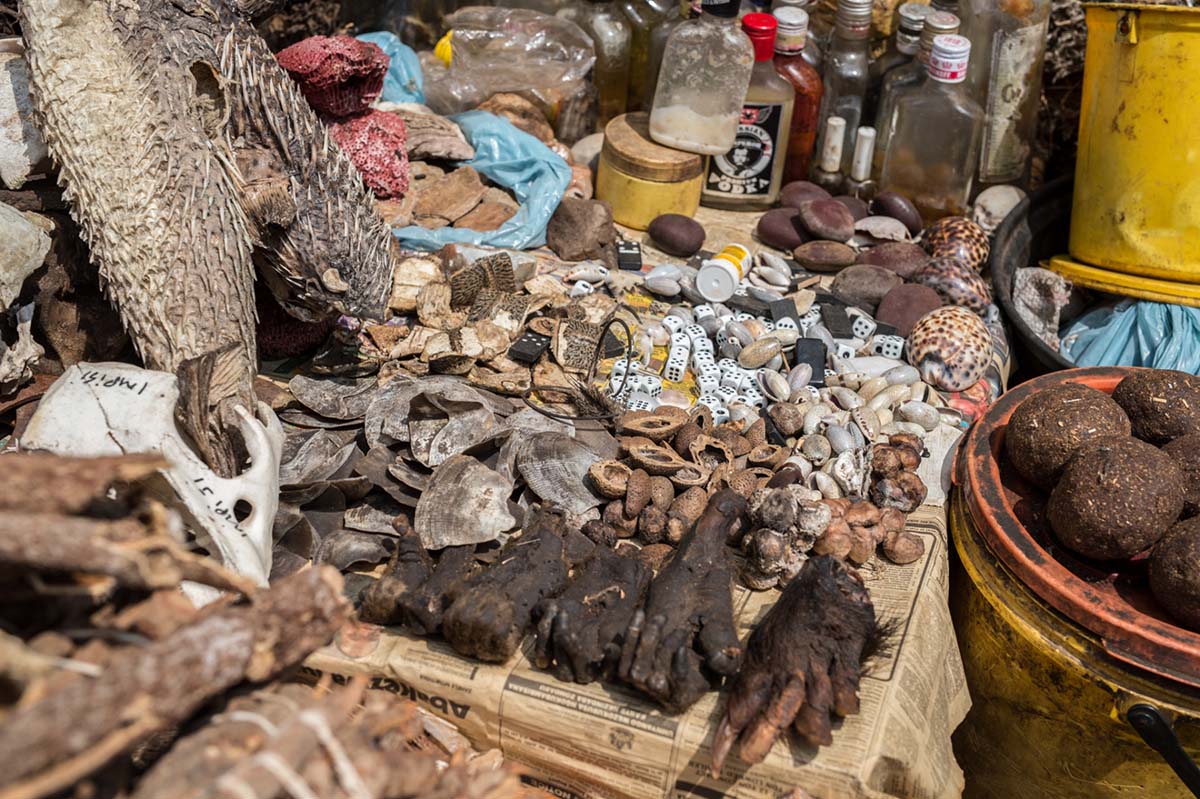
200320 wild animal parts available in public markets

Through this grisly and extensive trade, humans have brought many wildlife species unnaturally close to our own. The negative impacts of this, to the individual animals held captive in live markets and to wild animal populations in general, have been devastating, which is problem enough in itself. But wildlife trade also dramatically increases human exposure to zoonotic diseases, which may have even more devastating impacts on our own species.

This is not the time for angry rants about nature’s revenge; it is a time to take forward-thinking action. Thankfully, there are clear options available to governments and individuals across the world to prevent this from happening again. This particular virus originated in China, and China has already taken the important step of banning the wild animal trade until the current disease crisis is over. There are early signs that this may turn into a permanent ban on consuming wildlife as food; we are hopeful this will come to fruition. These bans are important, but ultimately it is up to individual consumers whether the trade in wild animals dies or lives on as an underground black market.

For now, the world is dealing with an escalating crisis. The economic shocks have already been severe, and will likely get worse. Travel restrictions are already having a huge impact on tourism and related industries across Africa, which will inevitably have negative impacts on wildlife conservation. Big Life’s rangers will continue working and our operations will not shut down, but we have canceled all public meetings and limited our community outreach programs. We are also making sure that all Big Life staff have the correct knowledge to disseminate in their communities about how to avoid the spread of COVID-19.

Our thoughts go out to all of those whose lives are being affected by COVID-19. We are all in this together, and we at Big Life are beyond grateful for your continued support of our work during these difficult and stressful times.

Image credit: We Animals Media/JoAnne McArthur

BIG LIFE EARNS 4-STAR CHARITY NAVIGATOR RATING

Elephant reaching up for a 4-star Charity Navigator rating

4 stars for Big Life! Charity Navigator has become one of the nation's largest and most-utilized evaluators of charities. Its rating system examines two broad areas of a charity's performance: Financial Health and Accountability/Transparency. 

Big Life is thrilled to announce that it has been rated 4-stars, the highest possible rating, with Charity Navigator! This means we’ve earned top marks as an accountable, transparent, & financially healthy organization.

We hope this sterling accolade provides you – our trusted donors and supporters – with further confidence in the impact of your donations.

Charity Navigator has become one of the nation's largest, most trusted, and most-utilized evaluators of nonprofit organizations, and has received praise from respected publications such as: TIME Magazine, Forbes, Reader's Digest, PC World, BusinessWeek, and Kiplinger's Financial Magazine. 

SETTING A FAIRYTALE STRAIGHT

190917 Collage of Big Life on the ground at Kimana Sanctuary

The Kimana Sanctuary was born a star, one of the first community-owned and run wildlife sanctuaries in East Africa. The year was 1996. Visitors flocked to this beautiful place, and it seemed that the high hopes for tourism income were to become reality.

But as in so many fairytales, it wasn’t long before things started to go wrong. Corruption, lack of accountability and transparency, unfulfilled promises made by tourism operators, and community in-fighting turned hope into regret. The Kimana Sanctuary quickly turned from a case study of what to do right into a case study of what can go wrong.

By 2013, things had hit rock bottom, following the exit of the tourism operator after a long legal battle. Big Life was supporting anti-poaching operations in the area at the time, but it was clear that the Sanctuary was not going to last long without a proper income stream for the local community. Tourism was the major hope.

The status quo went unchanged for a few years with another management company in place, until Big Life took action in 2017. Funded by the Sheldrick Wildlife Trust, Big Life took over the annual lease of the Sanctuary and assumed management responsibility. But we were already behind the curve; the Sanctuary needed to start generating income in a hurry.

Luckily, Big Life was able to turn to a few generous partners who could help make this goal a reality. With support from the D.N. Batten Foundation, Big Life was able to secure the physical assets within the sanctuary, including four ranger outposts. And, with funding from GEF/UNDP, we were able to rehabilitate a guesthouse in the Sanctuary and get some basic campsites up and running.

It was like unblocking a stream, the visitors started to trickle in again. And then flow. 165 people visited the Sanctuary in the first 6 months of 2018. A year later, 741 people visited during the same period of 2019, a remarkable 350% increase.

The fairytale seems to be getting back on track and it seemed appropriate to start again, to forget the regrets and reset the hopes. So last week, the Kimana Sanctuary was ‘re-launched’ in a celebration run by the Kimana Community, and attended by the guest-of-honor and Governor of Kajiado County, H.E Hon. Joseph ole Lenku.

A new ribbon was cut, but it’s still the same community with the same aspirations. The Kimana Sanctuary is more important than ever. It provides the promise of wildlife-related income to its community owners, as well as water and freedom of movement for wildlife moving to and from Amboseli National Park.

There is still much to do, but for now, this fairytale looks like it may have a happy ending after all.

BIG LIFE WINS PARADISE AFRICAN RANGER AWARD

190816 Mutinda wins award

On World Ranger Day we shared an incredibly moving story about Sergeant Mutinda Ndivo who turned from poacher to protector.  Since 2003, instead of living a life of crime, Mutinda has been protecting and saving wildlife, while also being an inspiration to his community. Countless animals are alive today because of his direct contributions at Big Life, including leading Big Life’s Tracker Dog Unit.

Sergeant Mutinda was recently selected as a Paradise African Ranger Award winner; one of 50 Rangers from 17 different countries who were honored. An international panel of judges reviewed the entries based on their dedication, contribution, threats, and challenges overcome, as well as leadership and inspiration.

Congratulations, Mutinda and thank you for your service!

If you'd like to support Rangers like Sergeant Mutinda Ndivo, please consider joining Big Life's Ranger Club.

Photo courtesy of Ranger Club member, Jane Michaelides-Smith.

  • A SAD GOODBYE TO AN UNLIKELY HERO
  • Trapping the Ivory Traders
  • Big Life's 2018 Annual Report
  • Maasai Olympics Winners Claim Glory (And Prize Bull)
  • Unearthing Tim: The Battle to Rescue an Amboseli Icon
  • SPACE (To Call Their Own)
  • New! Big Life Branded Merchandise
  • A Celebration of Culture and Sport
  • Yet Another Ivory Bust: What is CITES Thinking?
  • Surveillance Pays Off
  • When Giants Clash
  • Handover of Conservation Initiatives to OOGR
  • When 'In Vogue' Means 'In Trouble'
  • MONTHLY GIVING GIVES BACK – ENTER TO WIN
  • THE YEAR A MAN FIRST STEPPED ON THE MOON
  • ONE TON OF WORK: Big Life's 2017 Annual Report
  • BIG LIFE LAUNCHES AMBOSELI CONSERVATION ACADEMY
  • BIG LIFE PROTECTS WILD RHINOS: A MODERN DAY UNICORN
  • UK SETS BOLD NEW STANDARD IN IVORY TRADE BAN
  • ULYSSES FALLS AGAIN
  • ONE STEP FORWARD, TWO STEPS BACK
  • IN FOND MEMORY OF KIOR, UNSUNG CONSERVATION HERO
  • BIG NEWS: HONG KONG BANS IVORY IN LANDSLIDE VOTE
  • OUR NEW YEAR’S RESOLUTION: BIG LIFE TO PROTECT KIMANA SANCTUARY
  • A TALE OF TWO COUNTRIES
  • LOST AND FOUND: ONE BABY ELEPHANT
  • The Rains Return
  • LIVE ELEPHANTS TRUMP TROPHIES
  • A Healthy Future
  • THE (DEADLY) WANTED LIST
  • WE DIDN’T START THE FIRE
  • Class is Dismissed
  • THE MOMENT THE IVORY TRADE HAS BEEN WAITING FOR
  • A WANDERIN’ MAN
  • LOCAL UPDATE ON THE FIGHT AGAINST COVID-19
  • DIRECTOR’S NOTE – Q2 2020
  • MEET POPOTE: BIG LIFE OPERATIONAL COMMANDER
  • MEET TARAYIA: BIG LIFE SERGEANT
  • MEET JOHNSON: BIG LIFE CONSTABLE
  • MEET VERONICA: BIG LIFE CONSTABLE
  • MEET EZEKIEL: BIG LIFE DRIVER
  • MEET AMOS: CONSTABLE, MONITORING AND EVALUATION RANGER
  • BUCKING THE TREND
  • RANGERS SAVE A TINY LIFE
  • GIRAFFE POACHERS STRIKE AGAIN – AND SO DOES BIG LIFE
  • THE SNARE THAT (NEARLY) BROKE THE CAMEL’S BACK
  • A BIG BABY WITH A BIG PROBLEM
  • Director's Note - Q1 2020
  • THE IVORY SCAVENGER
  • WHEN LION MET OWL
  • THE POACHERS WHO SHOULD HAVE STAYED AT HOME
  • FROM KILI TO THE HIMALAYAS
  • TOMORROW’S CONSERVATION GAMECHANGERS
  • ONE BABY ELEPHANT LOST AND FOUND
  • OF HANDBAGS AND HOPE FOR THE FUTURE
  • SMALL BUT MIGHTY
  • THE SHUKA STANDS OUT
  • 8 LUCKY RHINOS
  • Saved By The Books
  • THE PATH FORWARD
  • PART TIME RANGERS X BIG LIFE FOUNDATION PARTNERSHIP
  • LION PRIDE IN HONG KONG
  • A LION IS DEAD, NOW WHAT?
  • REJECTED!
  • WITH GREAT POWER COMES GREAT RESPONSIBILITY
  • Big Life x Popsocket Collaboration
  • THREE TINY, HUGE REASONS TO CELEBRATE ON WORLD LION DAY
  • HOW TO FILL A CHURCH ON A WEDNESDAY
  • Be a Wildlife Warrior for World Elephant Day
  • A GIRAFFE IS NOT A GIRAFFE
  • A MOTHER’S WORST NIGHTMARE
  • Director's Note - Q2 2019
  • THE (PREVIOUSLY SHORT) LIFE OF AN AMBOSELI LION
  • SURROUNDED BY SPEARS
  • CONSERVATION’S NEW BATTLEGROUND
  • GIRAFFE ON A MOTORBIKE
  • BORN TO BE BIG
  • A STORY FROM A HAPPIER WORLD
  • LUCKY LIONESS SURVIVES CLOSE SHAVE
  • A BANDIT’S HAVEN NO LONGER
  • Hope in Spite of Bad News
  • A Long-Awaited Journey
  • Director's Note - 2018 Annual Report
  • Poachers Caught Off-Guard in Northern Tanzania
  • Director's Note - Q1 2019
  • ELEPHANTS HAVE FACES
  • BACK TO BOOT CAMP
  • BABY ELEPHANT RESCUED FROM STICKY PREDICAMENT
  • THREADING ELEPHANTS THROUGH THE EYE OF A NEEDLE
  • DIRECTOR'S NOTE - Q4 2018
  • A TALE WITH A LIFESAVING TWIST
  • THE SIGNIFICANCE OF ONE YOUNG WOMAN’S 7 KM WALK
  • QUAGGA GREEN LABEL x BIG LIFE FOUNDATION 2019 PARTNERSHIP
  • A BIG MILESTONE FOR A BIG ELEPHANT - HAPPY BIRTHDAY TIM
  • 4th Maasai Olympics Highly Successful
  • Tough Love Tracker Dogs
  • The Equation That Doesn't Sleep
  • Working with Nature - One Heart Farm
  • Director's Note - Q3 2018
  • The Gold Rush
  • Mobile Care, Lasting Impact
  • One Step Closer to the Finish Line
  • Caught on Camera
  • A Herculean Effort
  • The Real Deal
  • WORLD LION DAY
  • DIRECTOR'S NOTE - Q2 2018
  • AT THE STARTING LINE TO SUPPORT THE FRONT LINE
  • TODAY, WE STAND WITH RANGERS
  • THE VOICE ON THE LIFELINE
  • NDERU – A TRUE ORIGINAL
  • Let the Games Begin!
  • BIG LIFE’S CANINE RANGERS
  • WHO IS THIS MAN?
  • TAKING THE PULSE OF AMBOSELI
  • THE TALLEST LAND ANIMALS
  • COMMITTED TO COMMUNITIES
  • DIRECTOR’S NOTE – Q1 2018
  • BABY STEPS TOWARD RHINO RECOVERY
  • DIRECTOR’S NOTE - 2017 Year in Review
  • HOW TO GROW A LION CUB
  • HONORING THE WOMEN OF BIG LIFE
  • THE LION SLEEPS TONIGHT
  • NEW FILM ON THE FENCE
  • LETTER OF APPRECIATION FROM KENYA WILDLIFE SERVICE
  • AN UPDATE FROM OUR DIRECTOR (Q4 2017)
  • A Memory of Elephants
  • WILD SHIRTS FOR WILDLIFE – ONE WEEK ONLY
  • EXPEDITION UNKNOWN with Josh Gates
  • Kenyan environmental tribunal protects open rangeland
  • From Poacher to Protector: Sergeant Mutinda Ndivo
  • Big Life Wins Rhino Conservation Award
  • STORIES FROM THE FRONTLINES: CORPORAL MEJAI OLE’KUMARI
  • STORIES FROM THE FRONTLINES: CORPORAL OLCHURIE KAPASEI
  • STORIES FROM THE FRONTLINES: CONSTABLE SESEI LOORMONI
  • Elephants in the Crosshairs

Page 87 of 121

  • 82
  • 83
  • 84
  • 85
  • 86
  • 87
  • 88
  • 89
  • 90
  • 91

Amboseli's elephants need your help
Our rangers are on the ground every day — removing snares, resolving human-wildlife conflict, and keeping herds safe. But we can't do it without support.
DONATE

Get Updates
From the field to your inbox: Program news, partnership opportunities, and exclusive event invites — delivered periodically throughout the year. No spam, ever.
SUBSCRIBE

FacebookLinkedInInstagramYouTube
 
FacebookLinkedInInstagramYouTube
 
Charity Navigator Four Star
Best in America
Candid Platinum Transparency 2026
Charity Navigator Four Star
Best in America
Candid Platinum Transparency 2026
Big Life Foundation USA
720 Seneca Street, Suite 107
Seattle, WA 98101
USA
info@biglife.org
+1 971 322 3326
Big Life Foundation Canada
17474 Humber Station Road 
Caledon Ontario L7E 0Z2
Canada
Canada@biglife.org
+1 416 624 6568
Big Life UK
c/o Chapel & York Ltd 
Unit 12 Ladycross Business Park 
Hollow Lane 
Dormansland 
Surrey RH7 6PB
United Kingdom
UK@biglife.org
Sign up for our e-newsletter
Learn more about our programs and partnership opportunities.
GET UPDATES
  •  Privacy Policy  •  Cookie Policy  •  Terms of Service  •  GDPR Compliance  •  Contact  •  Agentic Giving
Big Life is registered in the USA as a 501(c)(3) charity (EIN 27-3455389). Donations are tax deductible as permitted by law. BIG LIFE FOUNDATION® is a registered U.S. trademark of Big Life Foundation USA.
Donate