
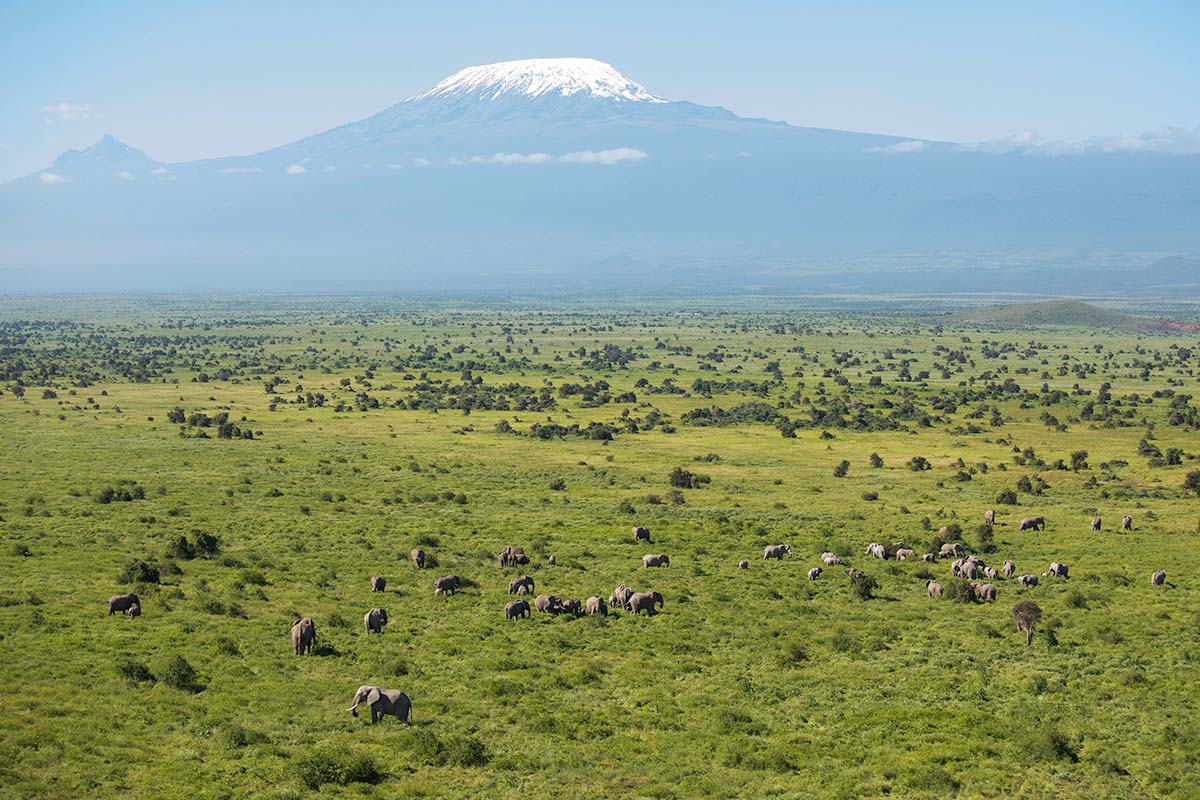
Since our last update on July 30, the Kenya Wildlife Service (KWS) has continued its investigation into the unusual cluster of elephant deaths in the Amboseli ecosystem. Sadly, since then three additional deaths have been reported, bringing the total under investigation to 18.
Preliminary testing continues to point toward exposure to a toxic substance, with cyanide identified as a likely factor, though this is still being verified. The source of the substance and the circumstances surrounding the elephants’ exposure has yet to be determined.
KWS recently announced that four people were detained as persons of interest following the recovery of potentially toxic substances during their investigation. These individuals were questioned and released without charge, and the substances are currently being tested. Authorities have emphasized that their detention and the recovery of these materials do not establish a link nor criminal responsibility at this time.
Another theory being explored is natural cyanogenic poisoning by a grass native to Amboseli, which grew prolifically after unusually high rainfall earlier this year, and has reportedly killed elephants elsewhere before.
We know there has been considerable speculation surrounding these deaths, particularly online. We are equally concerned, but we urge caution about drawing conclusions before the investigation is complete.
Big Life continues to work closely with KWS and other relevant authorities, providing information and support from our teams on the ground. Our rangers are also maintaining heightened vigilance across the landscape.
Amboseli remains home to one of Africa’s best-protected elephant populations, and we will continue doing everything we can alongside our partners and local communities to keep it that way.
We’ll share verified information as it becomes available. In the meantime, we are so grateful for your support.
Photo: Jeremy Goss