
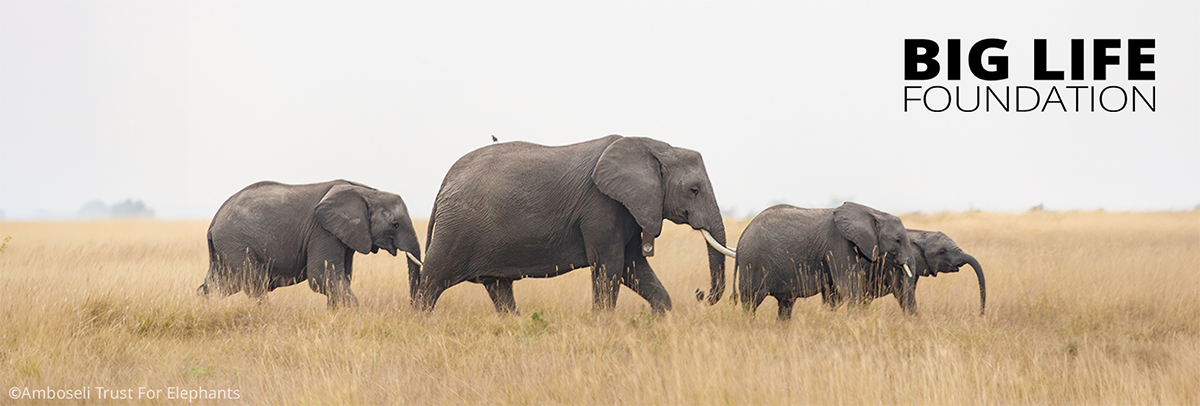
Meet Perdita, an elephant matriarch and mother of four who has spent her life roaming the vast landscapes of southern Kenya.
Perdita comes from a long line of Amboseli elephants. Researchers at the Amboseli Trust for Elephants knew her grandmother, followed her mother's life, and have watched Perdita raise a family of her own. Like generations before her, she travels across the ecosystem in search of food, water, and the resources her family needs to survive.
But today, the landscape she's inherited is changing rapidly.
A journey of nearly 7,000 miles
In 2021, Perdita was fitted with a GPS tracking collar, allowing researchers to follow her movements across the Amboseli ecosystem.
Over three years, her collar recorded an extraordinary 6,897 miles of movement — more than 2,000 miles a year.
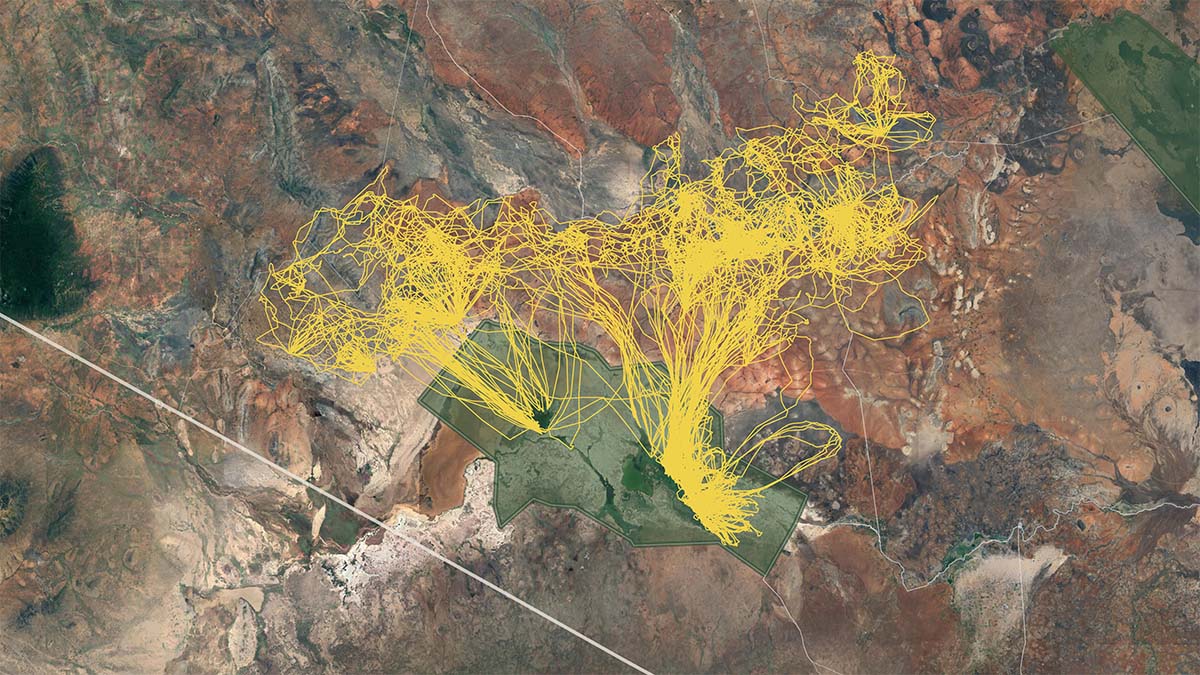 Perdita's recorded movements over three years reveal how extensively elephants depend on lands beyond Amboseli National Park. Tracking data courtesy of Amboseli Trust for Elephants.
The map tells a remarkable story. While Amboseli National Park provides important protection for elephants, Perdita spends much of her time moving across the surrounding community lands.
These lands are essential to her survival. They provide access to seasonal food and water, connect important wildlife habitats, and allow elephants to follow routes used by generations before them.
Elephants don't recognize park boundaries. And their survival depends on what happens beyond them.
A landscape under pressure
Across the Greater Amboseli Ecosystem, land that was once open and connected is increasingly being subdivided, fenced, and converted to other uses.
As Kenya's human population grows and land-use pressures intensify, the consequences for wildlife are becoming more serious.
Fences can block traditional migration routes, restrict access to water, and increase the risk of dangerous encounters between wildlife and people. Elephants and other animals can become trapped or injured, while communities face growing challenges as wildlife searches for alternative routes through farms and settlements.
For elephants like Perdita, the loss of connected habitat threatens the freedom to move that has sustained their families for generations.
And it's not just elephants. Lions, giraffes, zebras, and countless other species depend on this same interconnected landscape.
Protecting these pathways is one of the most urgent conservation challenges facing Amboseli today.
Keeping Amboseli open, together
At Big Life Foundation, we believe the future of Amboseli depends on protecting wildlife habitat in ways that also benefit the people who live alongside it.
Working in partnership with local Maasai landowners and communities, Big Life helps secure critical habitat through conservation agreements that keep land open for wildlife while providing income to the families who own it.
These partnerships recognize that conservation cannot succeed without the participation and leadership of local communities.
By making conservation a viable land-use choice, we can help maintain the open landscapes that elephants like Perdita depend on, while supporting local livelihoods.
It's an approach that benefits both wildlife and people, and one that becomes increasingly important as development pressures grow.
Help protect Perdita's path
Perdita's remarkable journey is more than a story about one elephant. It's a reminder of just how much land is needed to sustain Amboseli's wildlife — and how much we stand to lose if that land becomes fragmented.
You can support Perdita's Path, and help protect the critical habitat that connects Amboseli's wild spaces.
And thanks to a generous commitment from Big Life's Board of Directors, donations will be matched dollar for dollar, up to $400,000, through December 31 or until matching funds are exhausted.
Just $8 can normally help protect one acre of land for a year. With the match, that same gift can help protect two acres.
Every acre contributes to something larger: a connected landscape where elephants can move freely, communities can benefit from conservation, and wildlife can thrive for generations to come.
Perdita's family has followed these paths for generations. Together, we can help keep them open for the next.
